
AI Comic Styles — 12 Art Styles Explained
Every comic tool advertises “multiple styles.” Most give you 3-4 options with vague names. COMICPAD ships 12 with distinct visual conventions rooted in real comic-art tradition — anime cel shading, manga screentones, manhwa cinematic lighting, Sin City chiaroscuro, Moebius clean-line, Junji Ito ink-heavy horror. Pick one below and dive in.
By the COMICPAD Editorial Team — last reviewed
TL;DR — how to pick
- • Reading manga? Pick Manga (B&W) or Anime (color)
- • Watching webtoons? Pick Manhwa for full-color vertical
- • Superhero epic? Pick Superhero
- • Cyberpunk / space opera? Pick Sci-Fi
- • Detective / crime? Pick Noir
- • Sword & sorcery? Pick Fantasy
- • Horror story? Pick Horror
- • Modern romance? Pick Romance
- • Wuxia / historical? Pick Manhua
- • Comedy / gag strip? Pick Comedy
- • Mature adult manga? Pick Seinen
Japanese & East Asian traditions
The largest comic tradition by readership. Manga (Japanese, monochrome + screentones), anime (color cel-shaded), manhwa (Korean, vertical webtoon), manhua (Chinese), and seinen (mature manga).
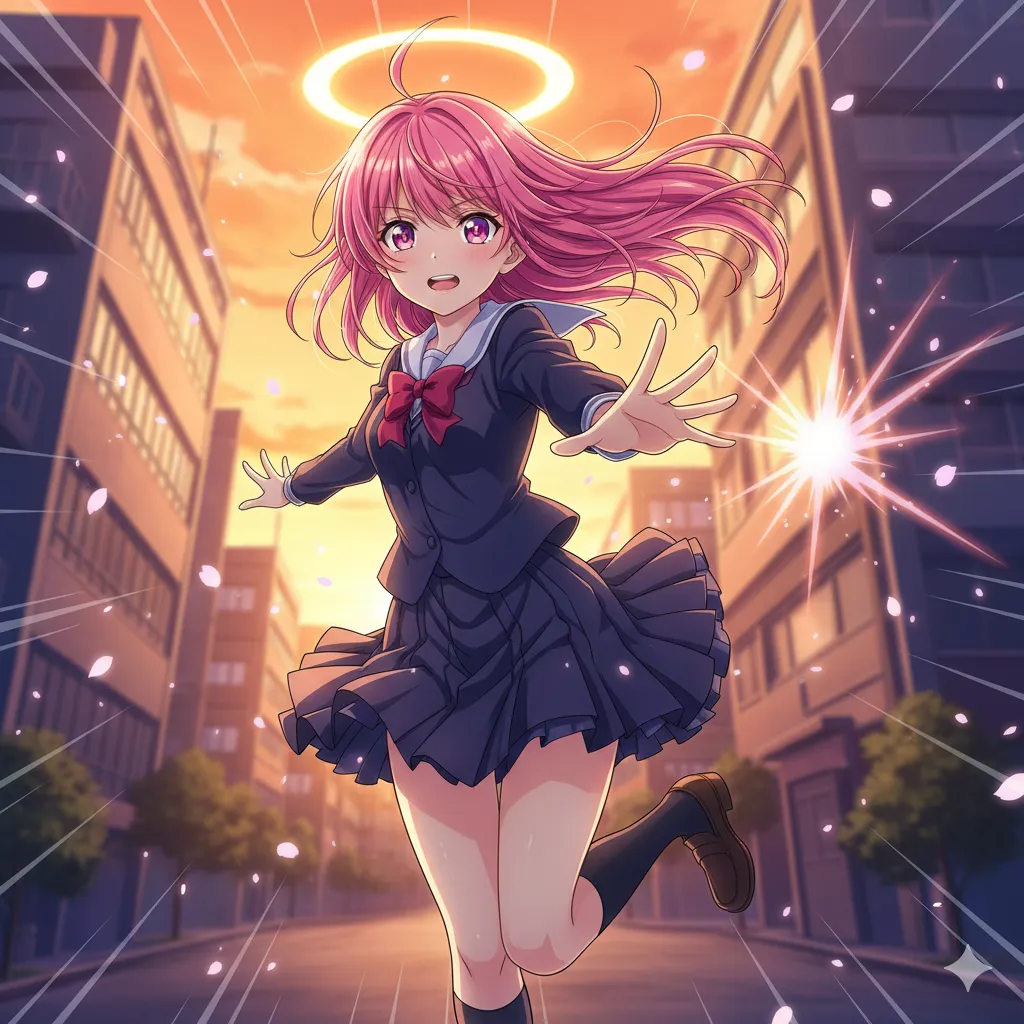
Anime
Full-color cel-shaded stories with expressive eyes and speed lines.
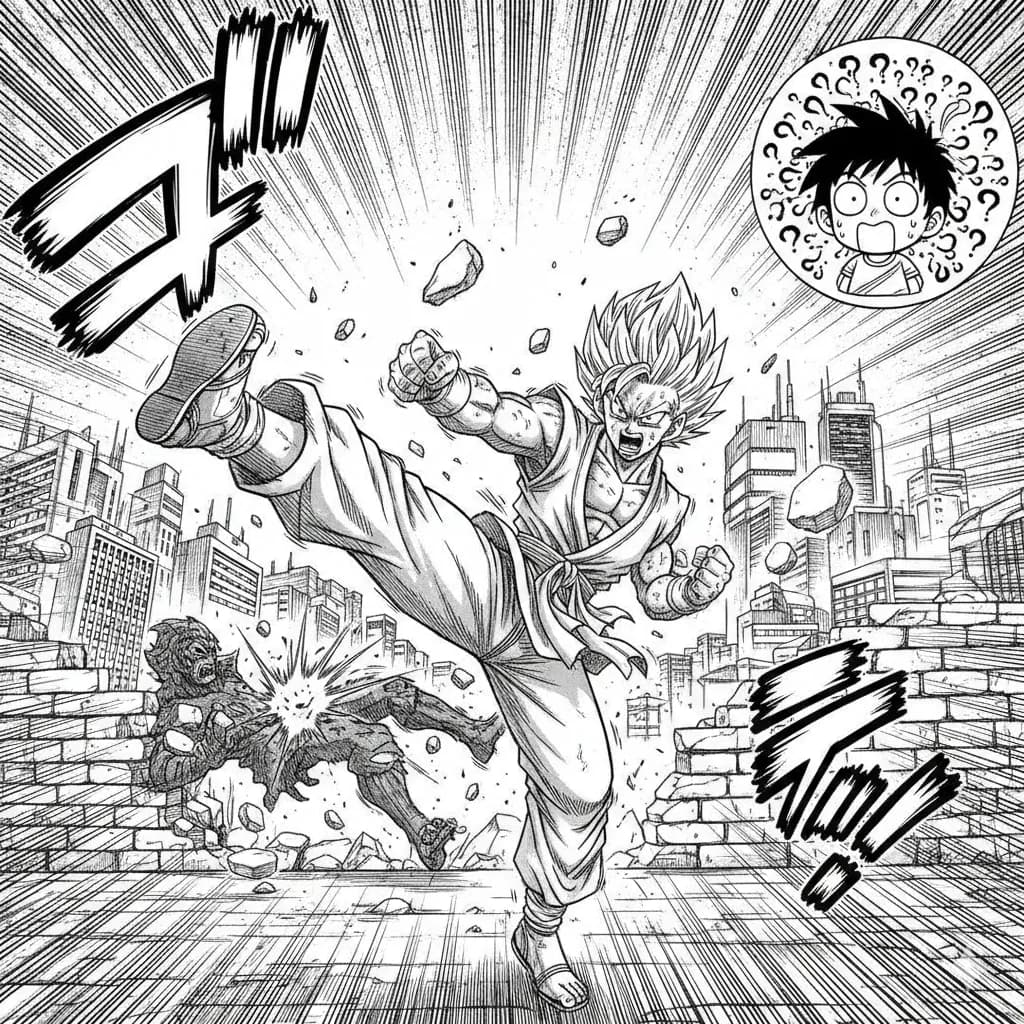
Manga
Black-and-white ink with screentones, right-to-left reading.
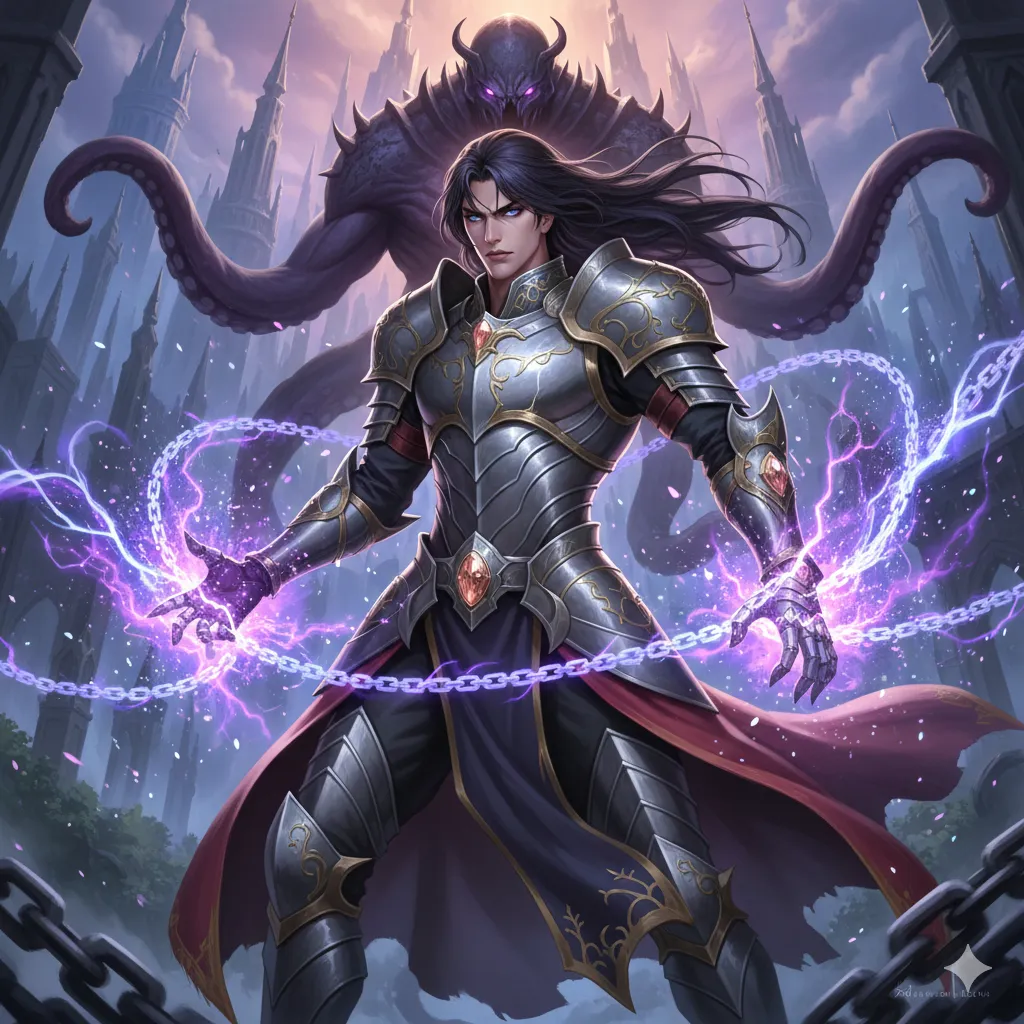
Manhwa
Korean vertical webtoon, full color, cinematic lighting.
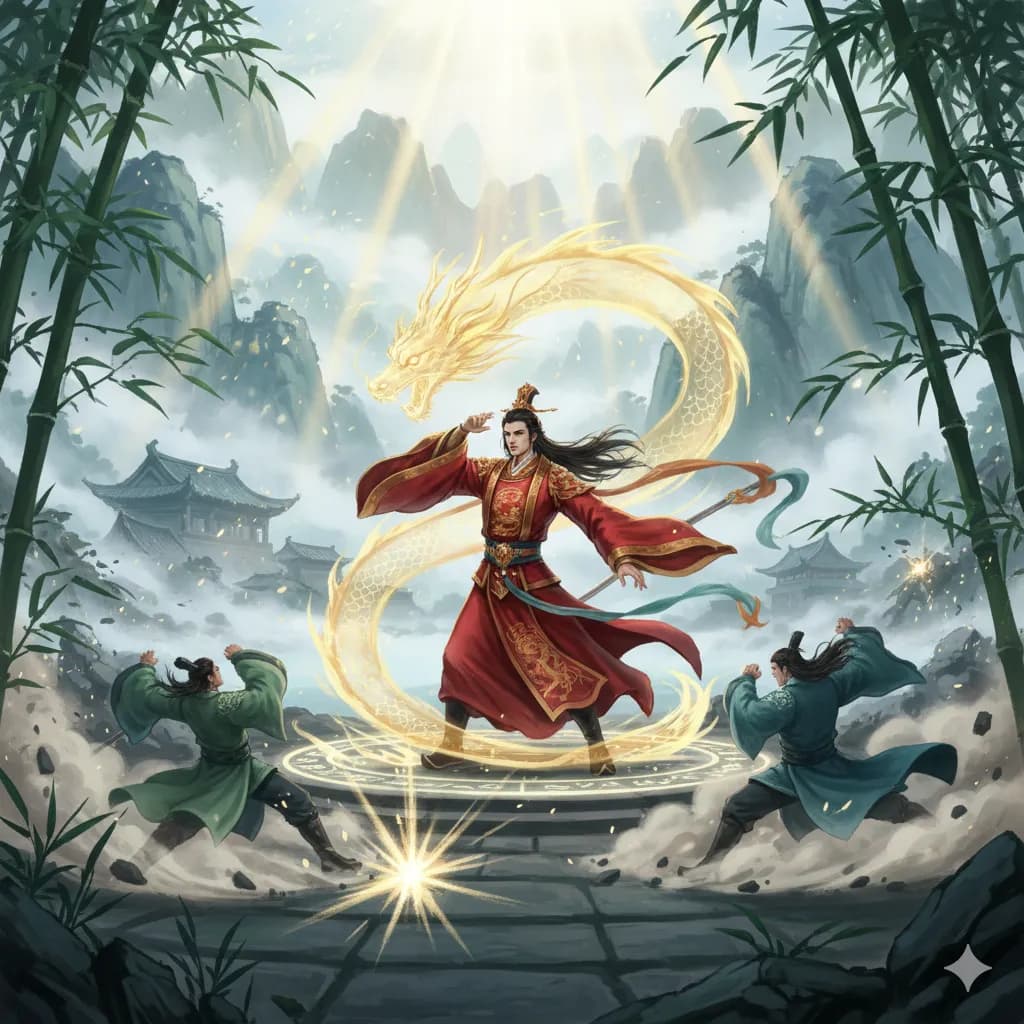
Manhua
Chinese comic aesthetic — wuxia palette, historical framing.
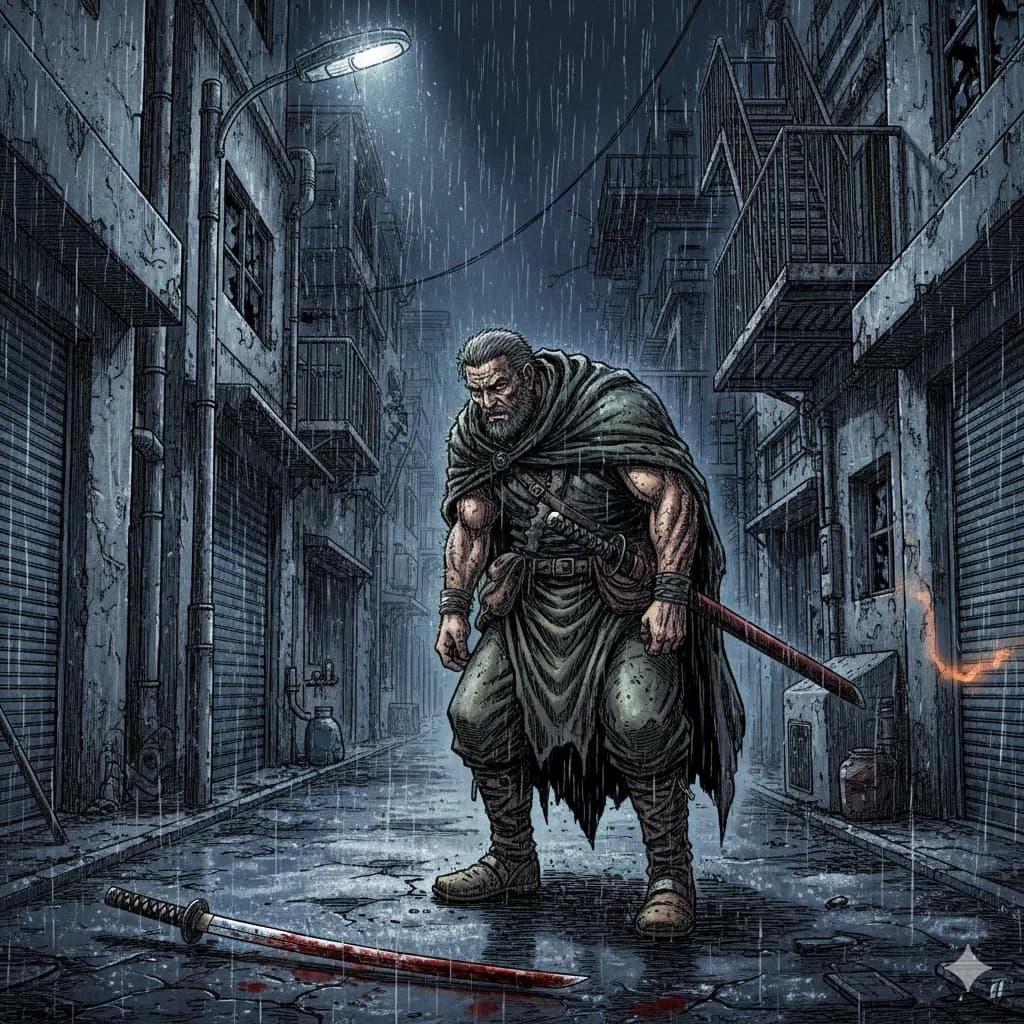
Seinen
Mature manga — detailed anatomy, heavy hatching, cinematic composition.
Western comic traditions
American superhero (bold ink, primary palette), noir (chiaroscuro, hard-boiled), and comedy (expressive faces, timing-driven). Roots in golden-age comics, EC Comics, and newspaper strips.
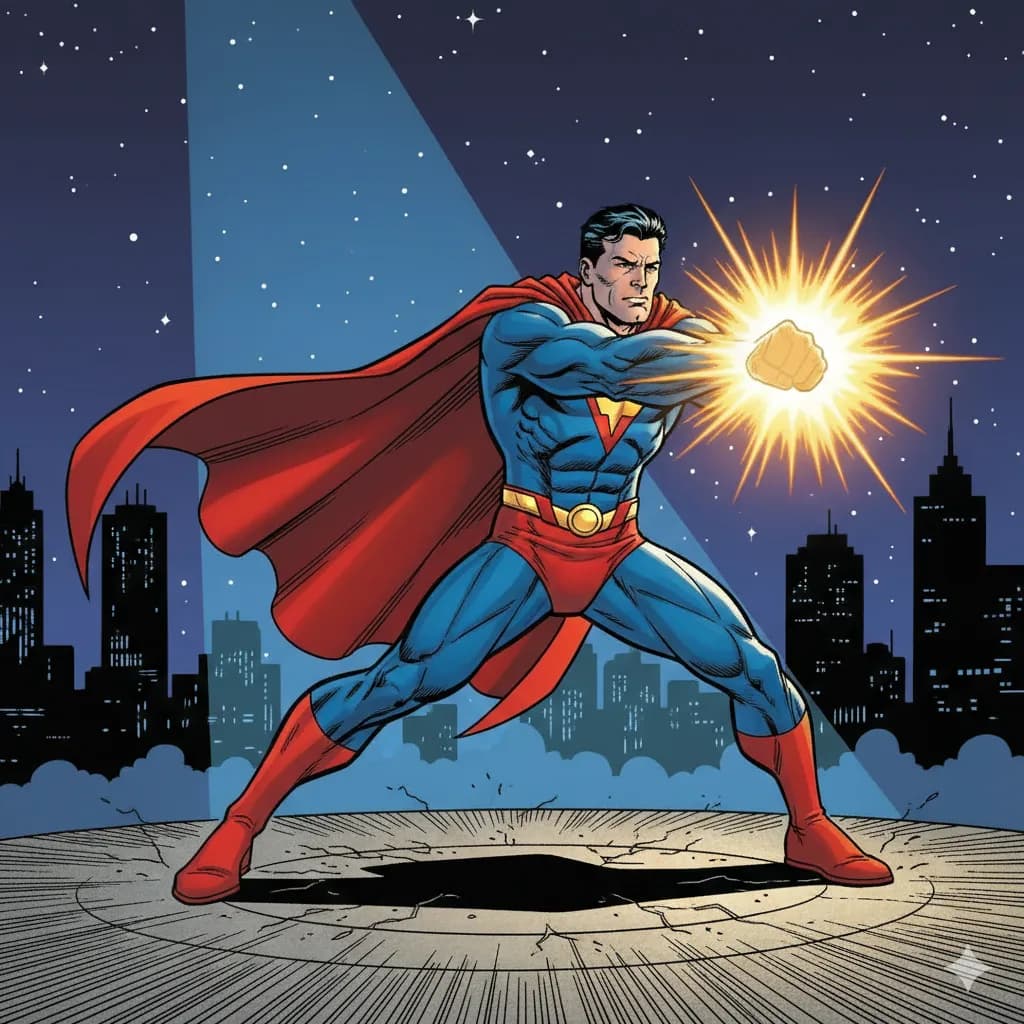
Superhero
Bold ink outlines, primary palette, dynamic action poses.
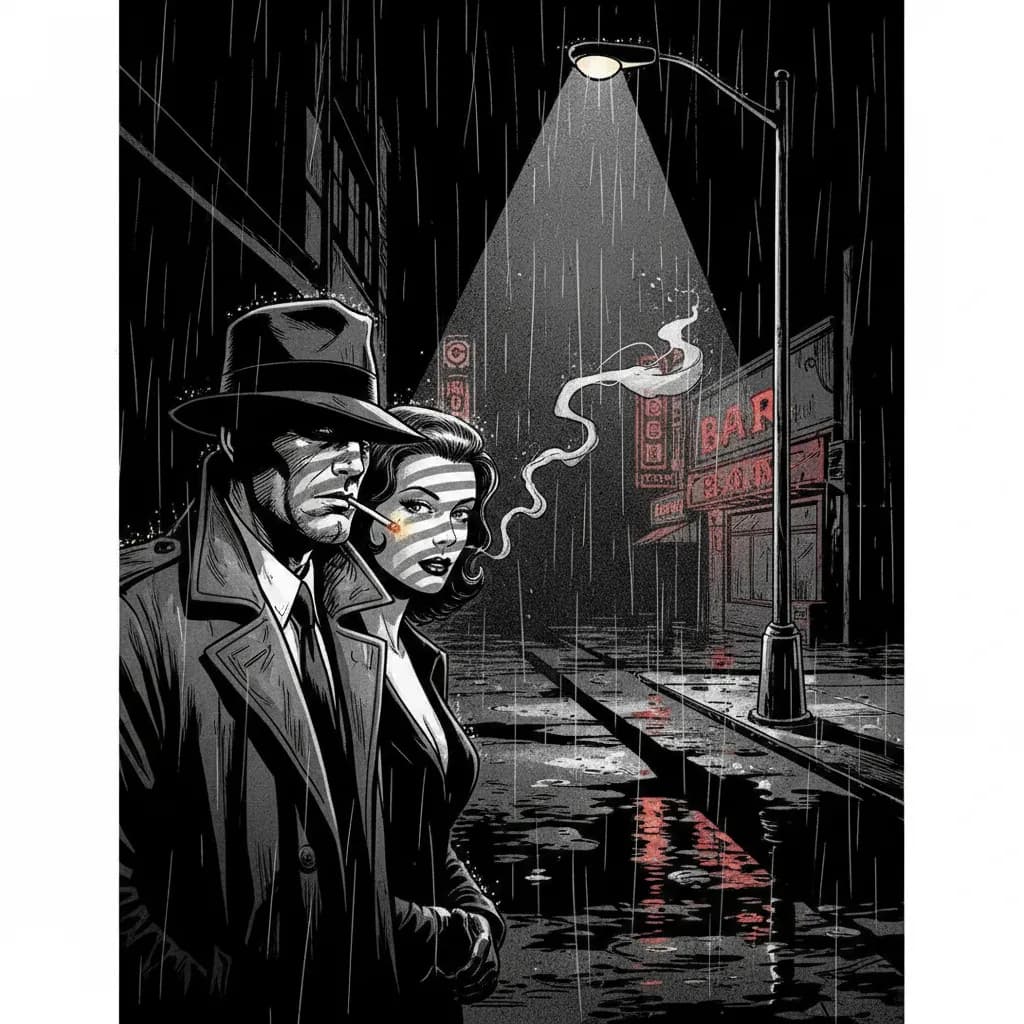
Noir
High-contrast black-and-white, dramatic shadows, hard-boiled tone.
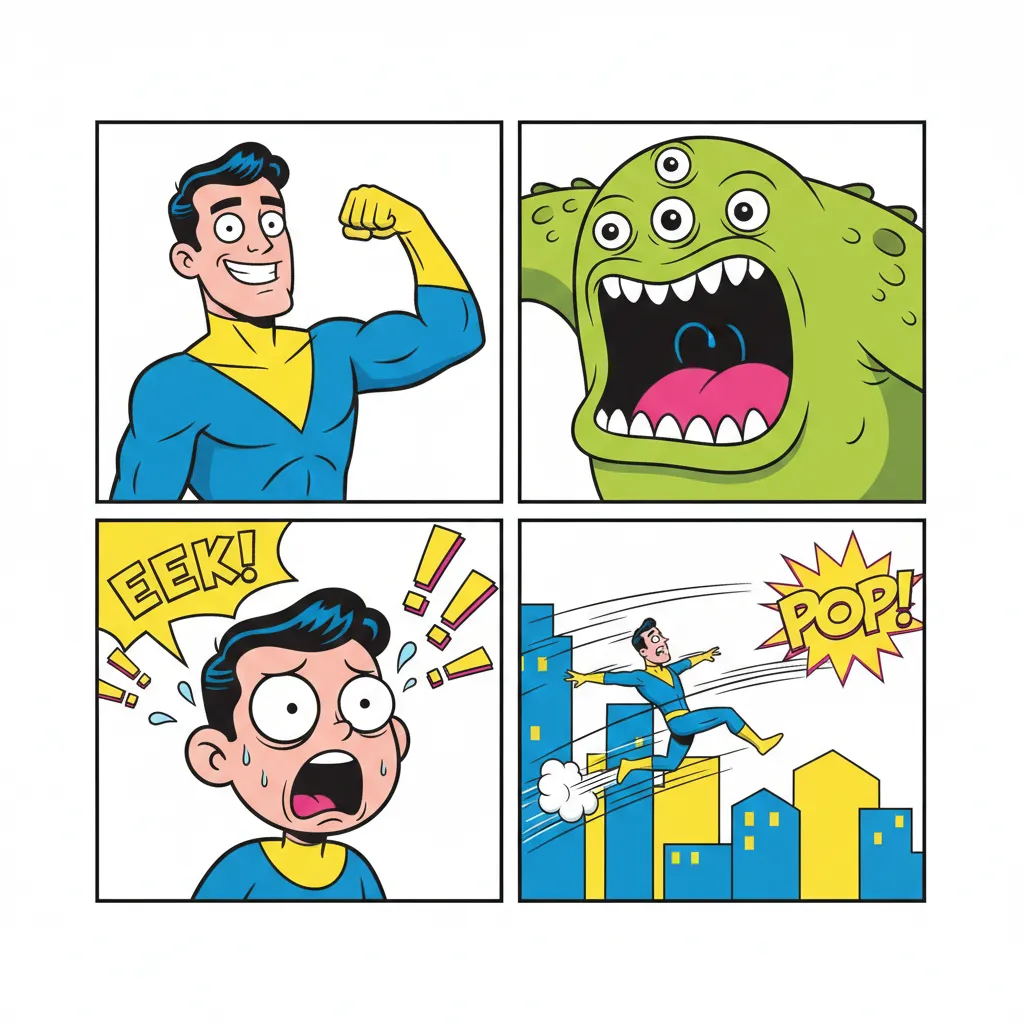
Comedy
Bright palette, exaggerated expression, timing-driven gags.
Genre-driven visual language
Fantasy, sci-fi, horror, and romance each carry visual conventions that transcend country of origin. Pick these when your genre is doing the heavy lifting in your storytelling.
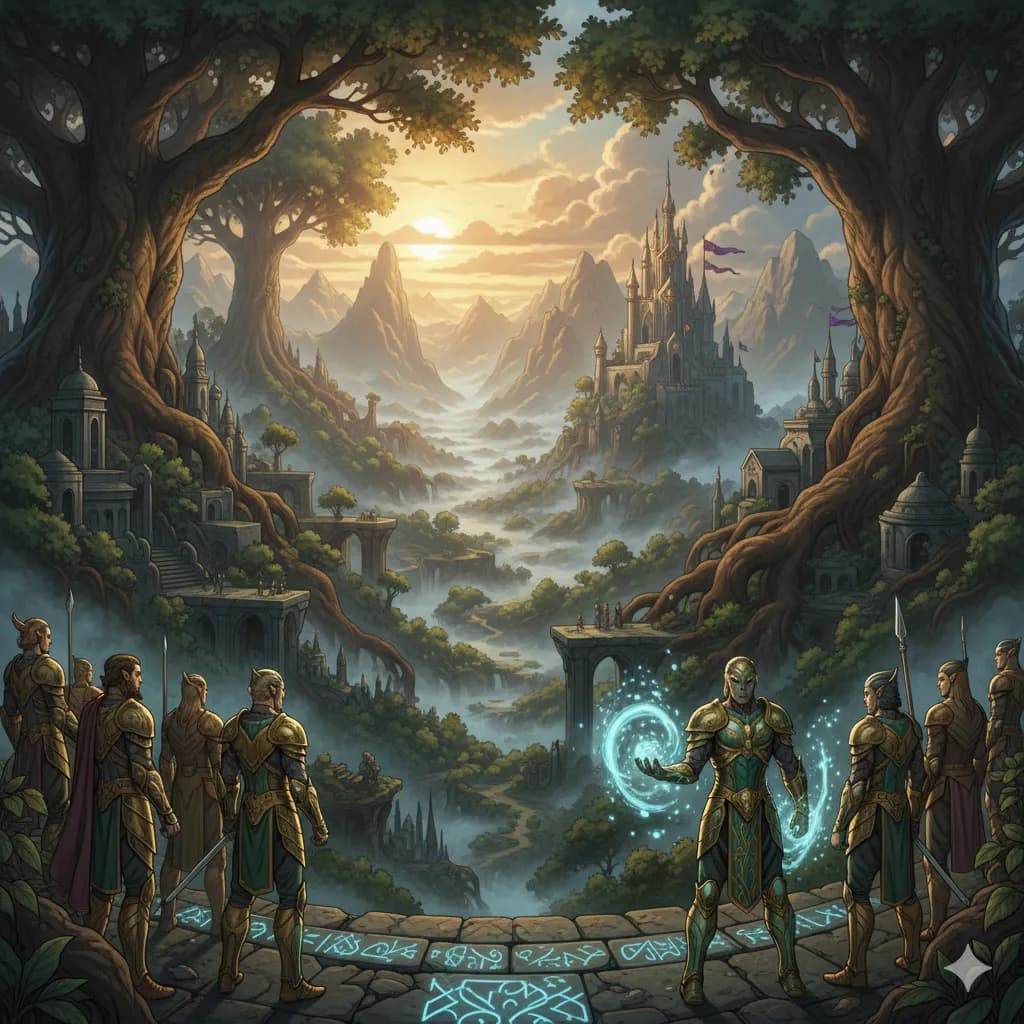
Fantasy
Painterly light, epic landscapes, high fantasy or dark fantasy.
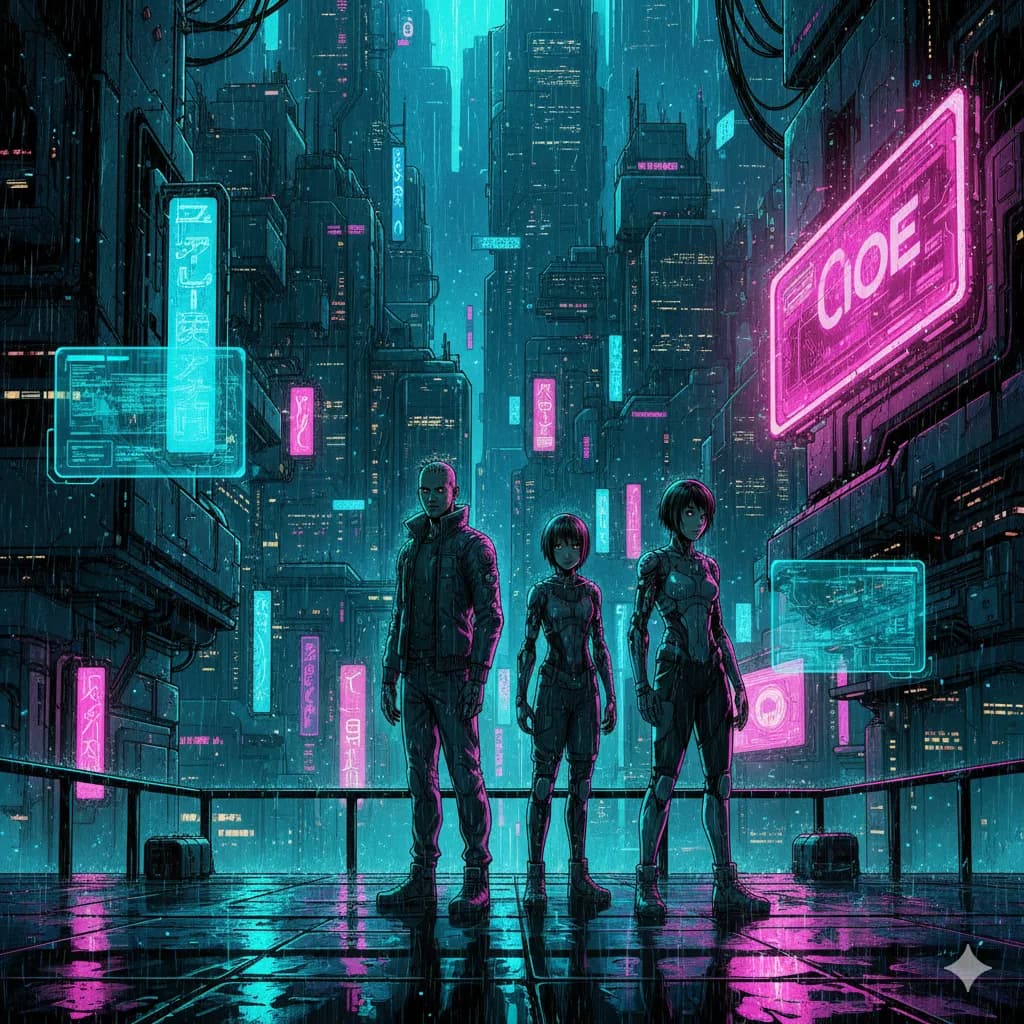
Sci-Fi
Neon-lit cyberpunk, painterly space opera, or Moebius clean-line.
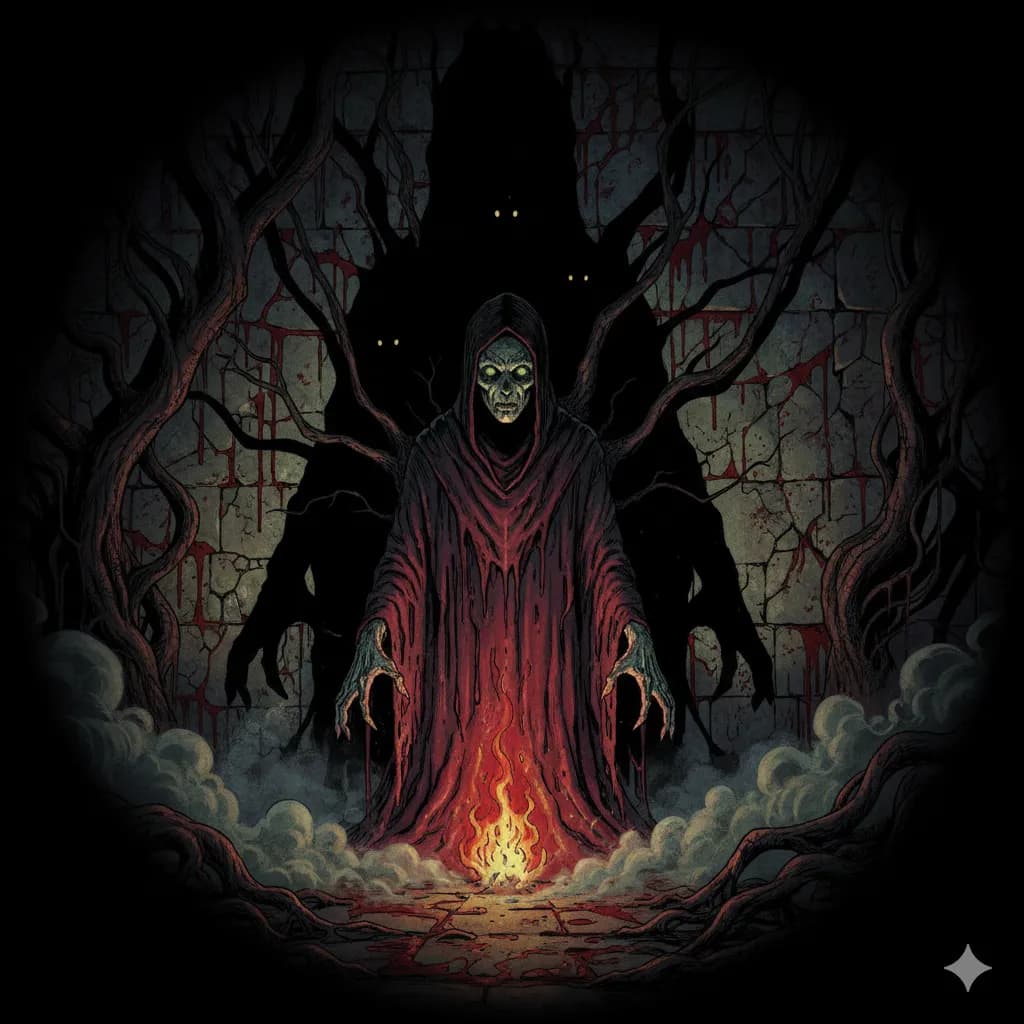
Horror
Ink-heavy shadows, silent panels, precise Junji Ito-inspired line.
Romance
Soft palette, emotional close-ups, shoujo lineage.
How to pick a style if you're not sure
Three questions decide it in most cases:
- 1. What do you actually read?If you read One Piece, pick Manga. If you watch Attack on Titan, pick Anime. If you read Solo Leveling, pick Manhwa. If you read Watchmen, pick Superhero. Your reference material is the fastest signal.
- 2. Where will people read your comic?Mobile-first (webtoon platforms, phone): pick Manhwa or Romance for vertical scroll. Desktop / tablet (traditional layout): any style works. Print: avoid Manhwa (its vertical format doesn't print well); Manga, Superhero, Noir all print beautifully.
- 3. Is your genre doing the heavy lifting?If your story is genuinely a horror story (dread is the point), pick Horror. If it's cyberpunk (setting is the point), pick Sci-Fi. If it's epic fantasy, pick Fantasy. Genre-driven styles pull in visual conventions that generic styles don't.
FAQ
Last reviewed:
What's the difference between anime, manga, and manhwa?+
Anime is an aesthetic — full-color cel-shaded stories that look like Japanese animation. Manga is a format — Japanese comic books, usually black-and-white with screentones, read right-to-left. Manhwa is another format — Korean webtoons, full-color, read top-to-bottom on mobile. You can render a manga in an anime aesthetic, but not vice versa. See the Anime, Manga, and Manhwa pages for deeper breakdowns.
How do I pick the right style for my story?+
Start with the tradition that matches your reference. Reading manga? Pick Manga (B&W) or Anime (color). Watching webtoons on your phone? Pick Manhwa. Writing a superhero epic? Pick Superhero. Cyberpunk or space opera? Pick Sci-Fi. Modern romance? Pick Romance or Manhwa. Full-genre driven (horror, fantasy)? Pick Horror or Fantasy. The style locks the whole comic — you can't mix within one project.
Can I switch styles mid-story?+
Not within one project — the style preset applies to all panels. If you want to try multiple looks, generate the same story twice with different styles and compare. Some creators use style A for main story and style B for dream sequences by generating them as separate projects and stitching together in edit.
How many styles will I actually use?+
Most creators pick one or two and stick with them. The 12 styles exist so creators from different traditions find their look immediately. Anime is the most-picked (biggest audience overlap); Manga and Manhwa are next. Genre-driven styles (Horror, Fantasy, Sci-Fi) work when the genre is dominant.
Do styles cost different amounts?+
No. All 12 styles use the same underlying model (Nano Banana Pro — Gemini 3 Pro Image, GA November 2026) and cost the same per panel. Pricing is by panel count, not by style. See pricing for the full breakdown.
Which styles keep characters most consistent across panels?+
Styles with cleaner line work (Manga, Superhero, Noir, Manhwa) lock characters most reliably. Styles with heavy painterly or atmospheric elements (Fantasy, Horror) drift more on subtle details — but the face and main outfit still stay consistent. Character consistency is a whole-tool feature, not a style feature.
What if none of the 12 styles matches what I want?+
You can push any style toward a specific look through prompt keywords — named influences (Junji Ito, Moebius, Frank Miller), palette specifics (magenta neon, warm amber), and composition (cinematic 2.35:1, wide silhouette). See any style page's prompt-patterns section for examples. Full custom styles are on the roadmap but not shipped.
Try any style free
10-panel free trial. No credit card. Switch style anytime before you generate.
Start free