
Photo to Manga Converter
Describe your character, choose a manga style, and generate authentic manga panels with your likeness — no drawing required.
Authentic manga art generation
First, the honest disambiguation
“Photo to manga” on the search results page actually means two different products. Pick the one you actually want.
Option 1 — One-tap filter
A single stylized portrait you can post to socials
Upload a selfie, get one manga-style image back. No story, no character continuity, no panels — just the portrait. Most apps ranking for this term do this. Try Canva Animeify, FlexClip, or any App Store manga-camera app.
This is not what COMICPAD does. If that's what you want, those tools are faster.
Option 2 — Your face as a manga character
A character that looks like you, appearing across a multi-page manga story
Upload a photo once, the AI generates a recurring manga character based on you, and that character appears with consistent face, hair, and outfit across every panel of a full story. That's what COMICPAD does, and it's the rest of this page.
Keep reading ↓
In one paragraph
COMICPAD takes one photo and uses it as the reference for a character that appears with consistent face, hair, and outfit across every panel of a multi-page manga. You pick a sub-style (Shōnen, Shōjo, Seinen, Mecha, Isekai, Comedy), write a story prompt, and the system generates the full manga — story, art, dialogue, layout — in minutes. Your photo stays in your account and isn't used to train external models. Prompt original characters rather than named anime IP. Updated June 18, 2026.
What's New for AI Manga in 2026
The three updates worth knowing if you're evaluating manga AI tools right now.
- → Niji 7 launched January 9, 2026 via the Spellbrush x Midjourney collaboration. Niji is Midjourney's dedicated anime/manga branch with its own character-reference workflow. Anime-faithful quality jumped meaningfully versus Niji 6. It's still an image generator, not a manga generator — you assemble pages yourself.
- → Midjourney V8.1 became the default model on June 11, 2026. Photoreal lane is sharper; the comic-assembly gap is unchanged.
- → WEBTOON's international CANVAS program unified on March 26, 2026 with an AI-assisted translation beta. Relevant if you plan to publish your manga on the WEBTOON ecosystem — see our webtoon publishing guide.
How to Convert a Photo to Manga
From description to manga panel in under 2 minutes.
Describe Your Character
Describe the person from your photo — hair color, eye style, clothing, expression. AI creates a manga character from your description.
- ✓Describe physical features and style
- ✓AI generates a manga-faithful character
- ✓Character stays consistent across all pages
Choose Your Manga Style
Pick from manga sub-styles — shonen action, shojo romance, seinen drama, and more. Each has its own linework and composition.
- ✓Shonen: bold lines, action-focused
- ✓Shojo: expressive eyes, emotional scenes
- ✓Seinen: detailed, mature storytelling
Write Your Scene
Type what happens in the scene. AI generates a full manga page with your character, background, and dialogue boxes.
- ✓Single scene or full story arc
- ✓AI writes manga-style dialogue
- ✓Sound effects and emotion markers included
Generate & Export
AI draws your manga panels and assembles the pages. Download as HD PDF.
- ✓Authentic manga panel layouts
- ✓Up to 20 pages per manga
- ✓HD PDF export
Manga Art Styles
Different manga genres have different visual languages. Choose the one that matches your story.
Shōnen
High-energy action lines, bold compositions, intense expressions. Speed lines and reaction shots carry weight.
Best for: Action stories, sports arcs, rival-driven plots.
e.g. Naruto, Dragon Ball, My Hero Academia
Shōjo
Large expressive eyes, delicate linework, flower and screen-tone motifs. Emotional close-ups matter more than action.
Best for: Romance, slice-of-life with strong emotional beats, coming-of-age.
e.g. Sailor Moon, Fruits Basket
Seinen
Detailed backgrounds, realistic proportions, restrained palette. Composition leans cinematic rather than kinetic.
Best for: Mature drama, psychological thriller, slow-burn character work.
e.g. Berserk, Vagabond, Tokyo Ghoul
Mecha
Mechanical detail, dramatic backlighting, weighty silhouettes. The suit is a character.
Best for: Sci-fi action, military drama, pilot-vs-system stories.
e.g. Gundam, Evangelion, Code Geass
Isekai
Fantasy worlds, magic-effect overlays, bright palettes. Status windows and party dynamics are common.
Best for: Transported-to-another-world stories, RPG-coded adventures.
e.g. Sword Art Online, Re:Zero
Comedy
Chibi expressions, exaggerated reactions, deformed proportions for jokes. Sweat drops, mode shifts on a single page.
Best for: Slice-of-life humor, parody, gag manga, ensemble comedy.
e.g. Gintama, Konosuba
Cultural reference names are illustrative — prompt original characters in those traditions rather than named IP. See the named-IP risk note below.
Tips for Better Manga Results
Do
- ✓Describe distinctive features — hairstyle, eye color, and clothing are most important
- ✓Mention the emotional expression you want (determined, nervous, happy)
- ✓Specify if you want black-and-white or color manga art
- ✓Add context for the scene — a dojo, classroom, or forest background
Avoid
- ✕Vague descriptions like 'a person' — the more specific, the better the result
- ✕Describing too many characters at once — focus on 2-3 per scene
- ✕Skipping the art style selection — each style dramatically changes the output
- ✕Expecting photorealistic accuracy — AI creates manga-style art inspired by the description
Pro tip: Reference a specific manga genre you like (e.g. 'shonen action style') for more targeted results. Try it →
What Happens to Your Photo
We don't take this lightly. Here is what the upload actually does, in plain English.
- → Your photo is used to generate a character reference for your manga, and stored in your account so you can reuse it on future comics.
- → It is not sold, shared with third parties for marketing, or used to train external image models.
- → You can delete it from your account at any time. Deletion is permanent.
- → If you'd rather not upload at all, the text-description path works — describe your character (“tall woman with red hair, leather jacket”) and the AI generates a consistent character from the description. Same multi-panel result, different input.
- → For the full data policy, see our privacy page.
Can I Make Myself Look Like a Named Anime Character?
The #1 instinct here is “make me look like Naruto / Goku / Sailor Moon.” The technical answer is yes, the prompt will often produce something resembling the request. The legal answer is more complicated and worth understanding before you publish.
The case to know about
Disney and Universal v. Midjourney (case 2:25-cv-05275, C.D. Cal., filed June 11, 2025) is in active discovery as of June 2026 and tracks exactly this — reproduction of named intellectual property by an AI image tool. Anime IP is not named in the complaint, and there is no ruling on the merits yet. But the principle generalizes across the entire AI image category.
Practical advice for any commercial or public use: prompt original characters that take inspiration from a tradition — “shōnen-style hero with spiky white hair and a scarred eyebrow” — rather than naming the IP directly. The risk surface is in the prompt, not the tool. This is true whether you use COMICPAD, Dashtoon, Midjourney with Niji 7, or any other generator.
Can I Sell Manga I Make from My Photo?
COMICPAD grants commercial usage rights on paid plans — sell prints, publish to Kindle Direct, or use your manga in marketing. The harder question is copyright registration, and the answer comes from the U.S. Copyright Office.
USCO Part 2 (January 29, 2025)
The U.S. Copyright Office's Part 2 report holds that purely AI-generated output is not eligible for copyright registration. Meaningful human authorship — selection, arrangement, dialogue you wrote, edits you made — establishes copyright in the human-authored elements. The more you direct and edit, the more is protectable.
This is informational and not legal advice. If you're publishing at scale, consult a lawyer in your jurisdiction.
All Art Styles
Manga is one of 11 styles available. Explore the rest.
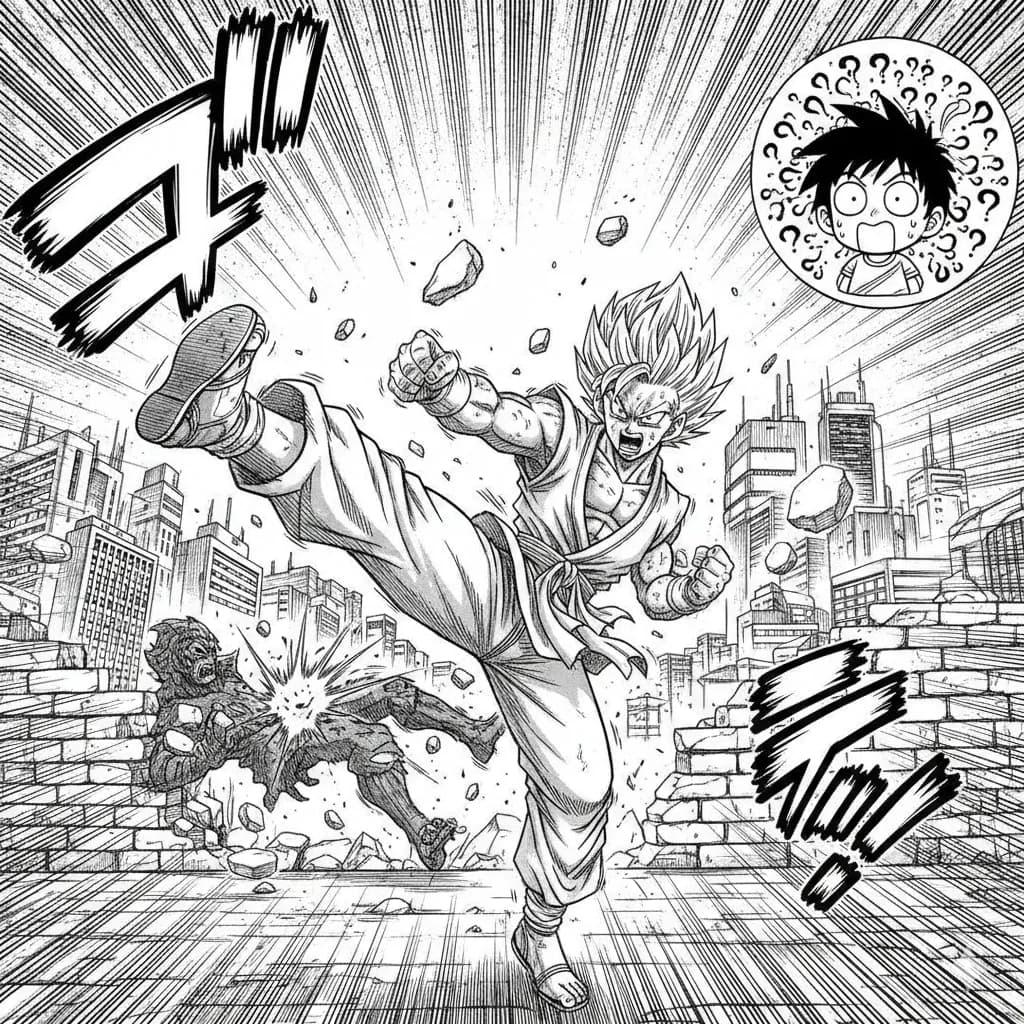
Manga
Classic Japanese manga with screentones and ink work.
Try this style →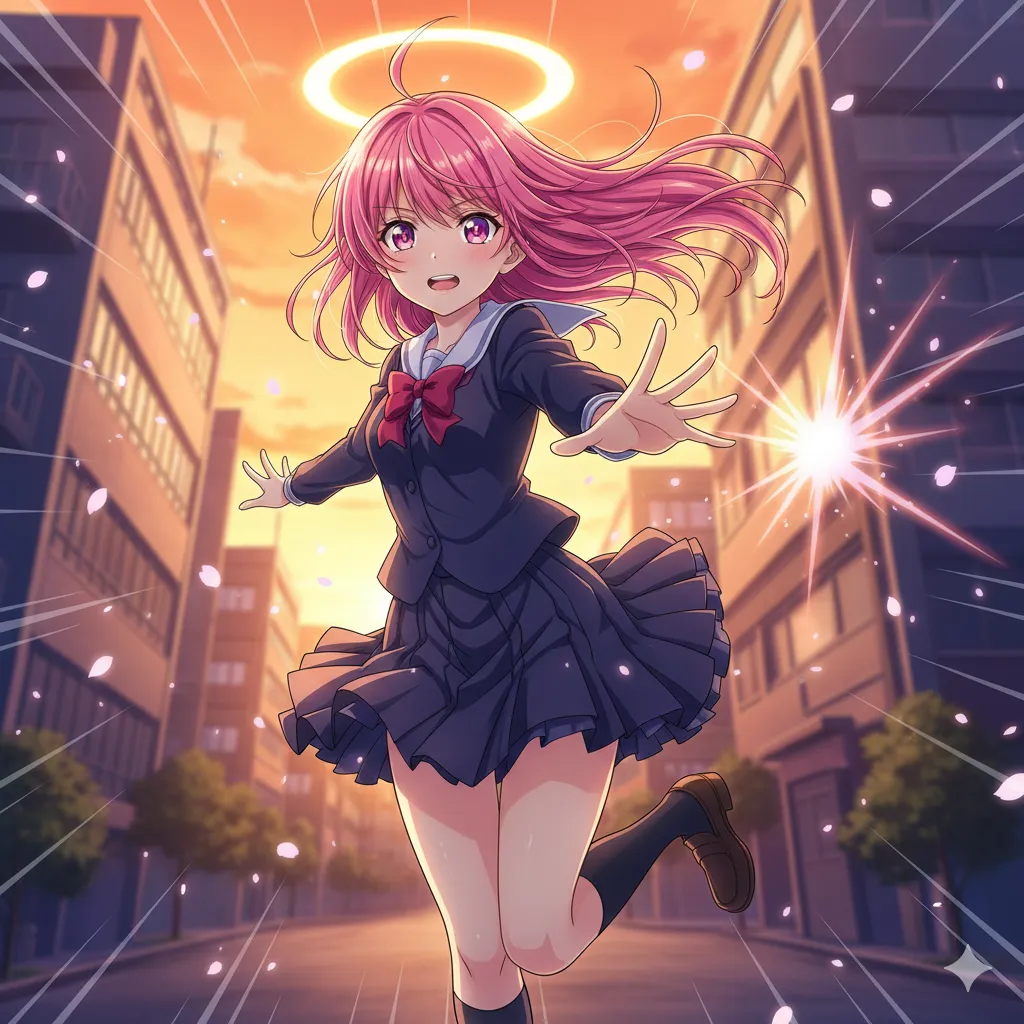
Anime
Vibrant cel-shaded art, expressive eyes, dynamic poses.
Try this style →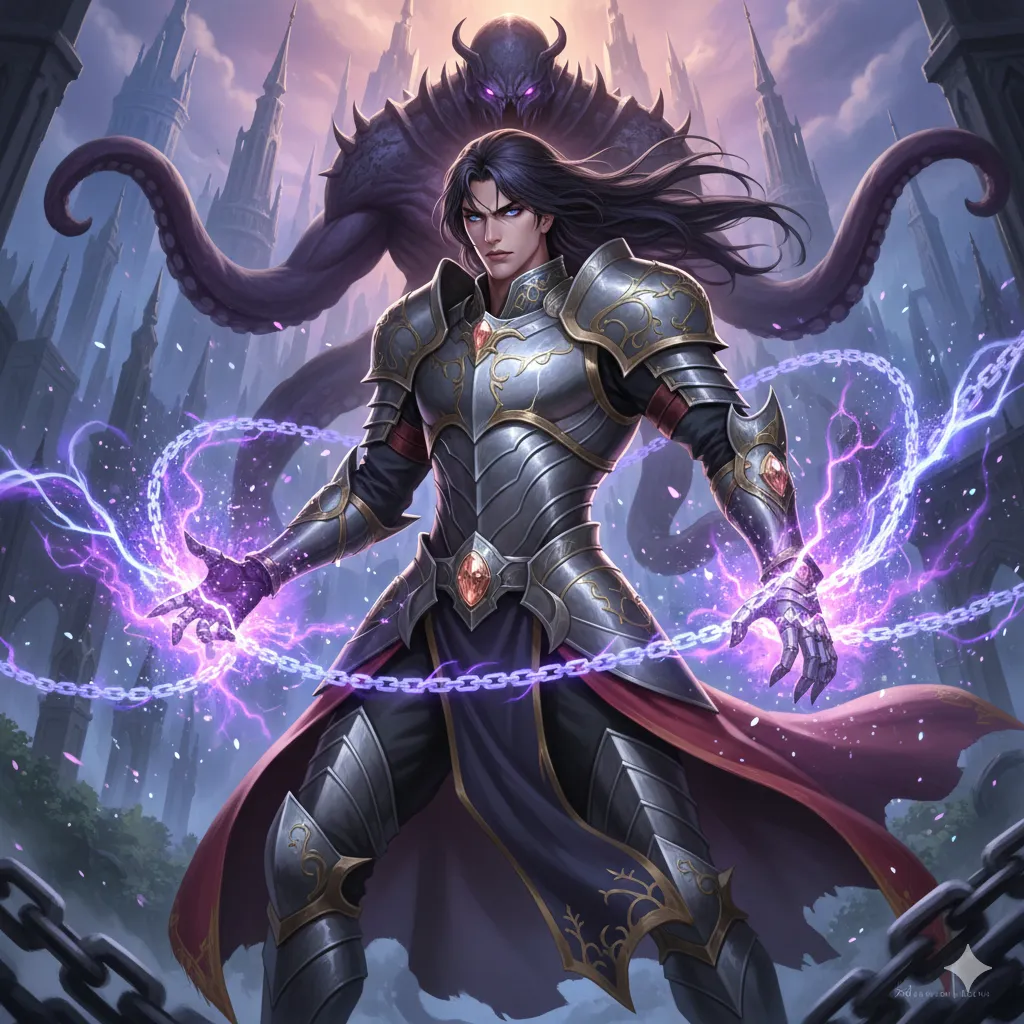
Manhwa
Korean webtoon style, full color, vertical flow.
Try this style →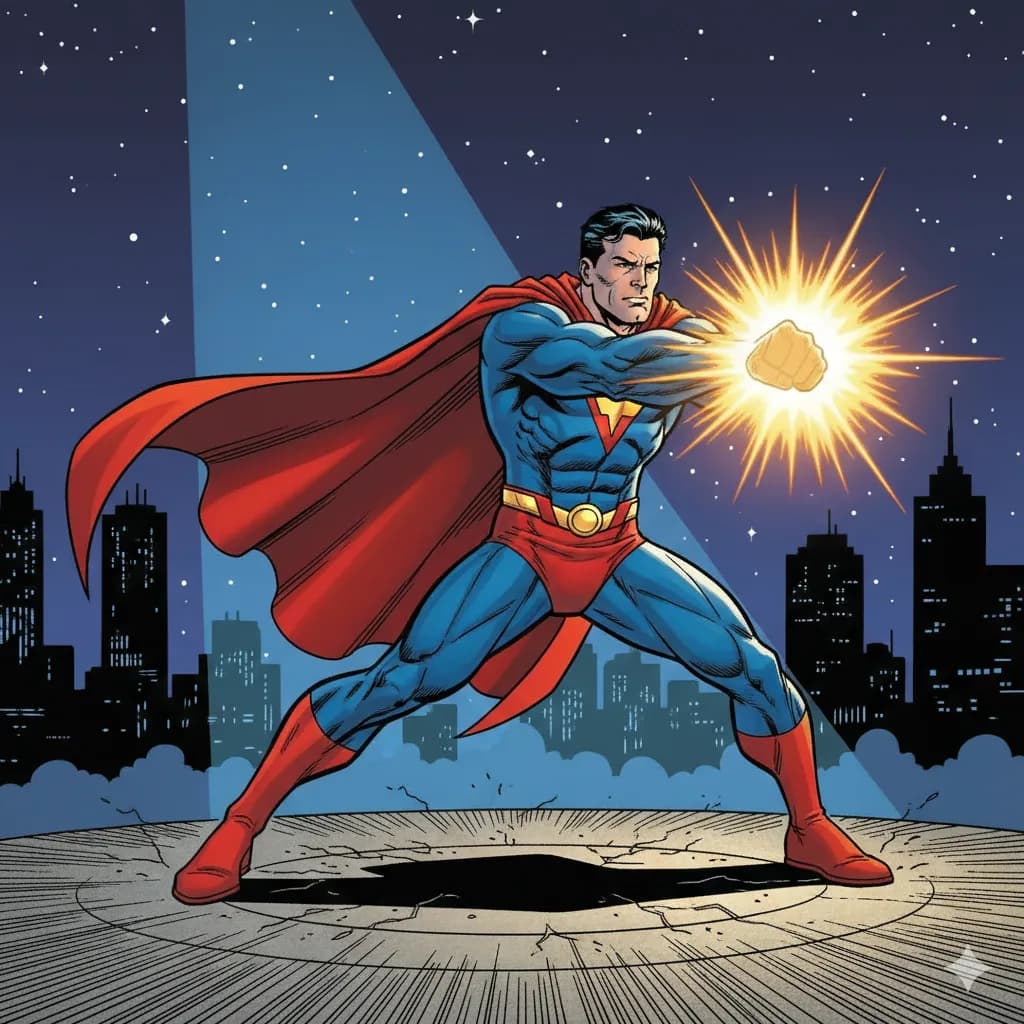
Superhero
Bold lines, vibrant colors, superhero aesthetics.
Try this style →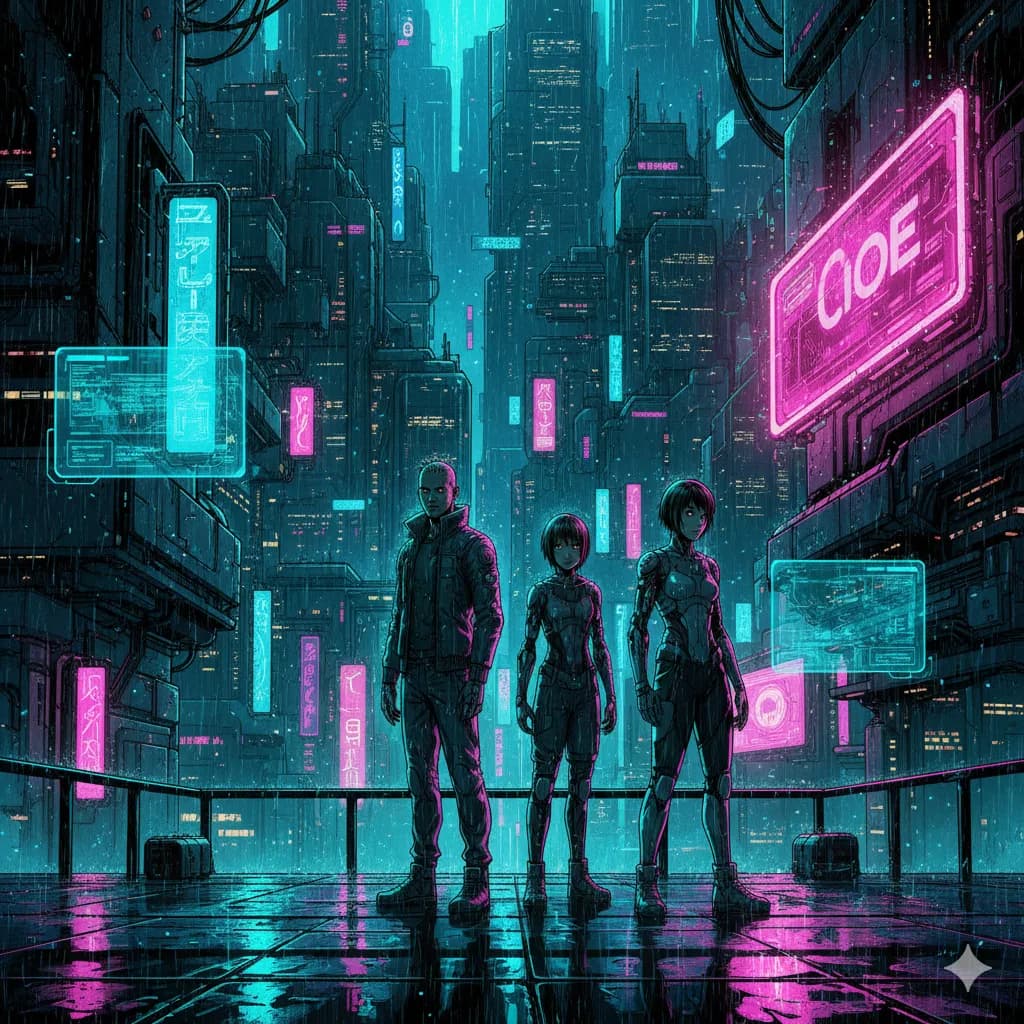
Sci-Fi
Futuristic settings, neon accents, tech-driven world.
Try this style →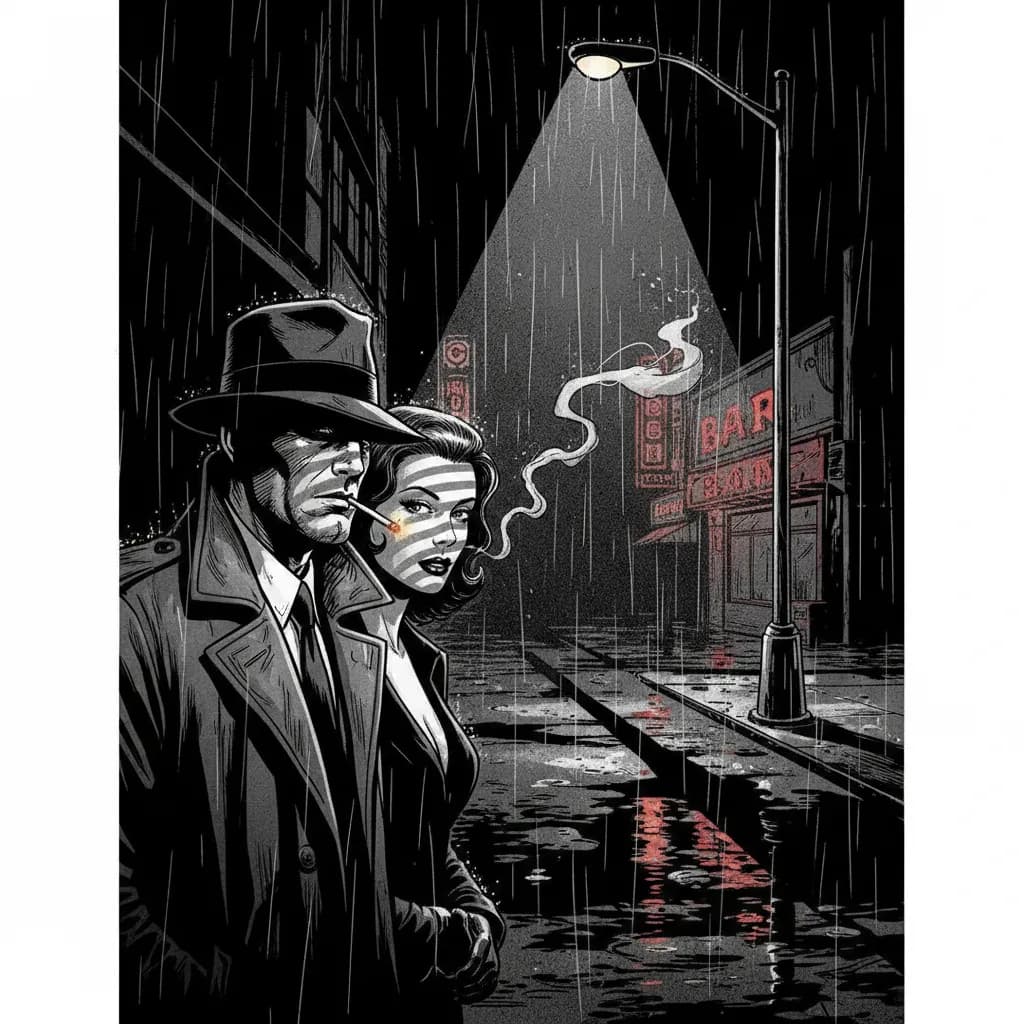
Noir
High contrast, dark moody tones, detective atmosphere.
Try this style →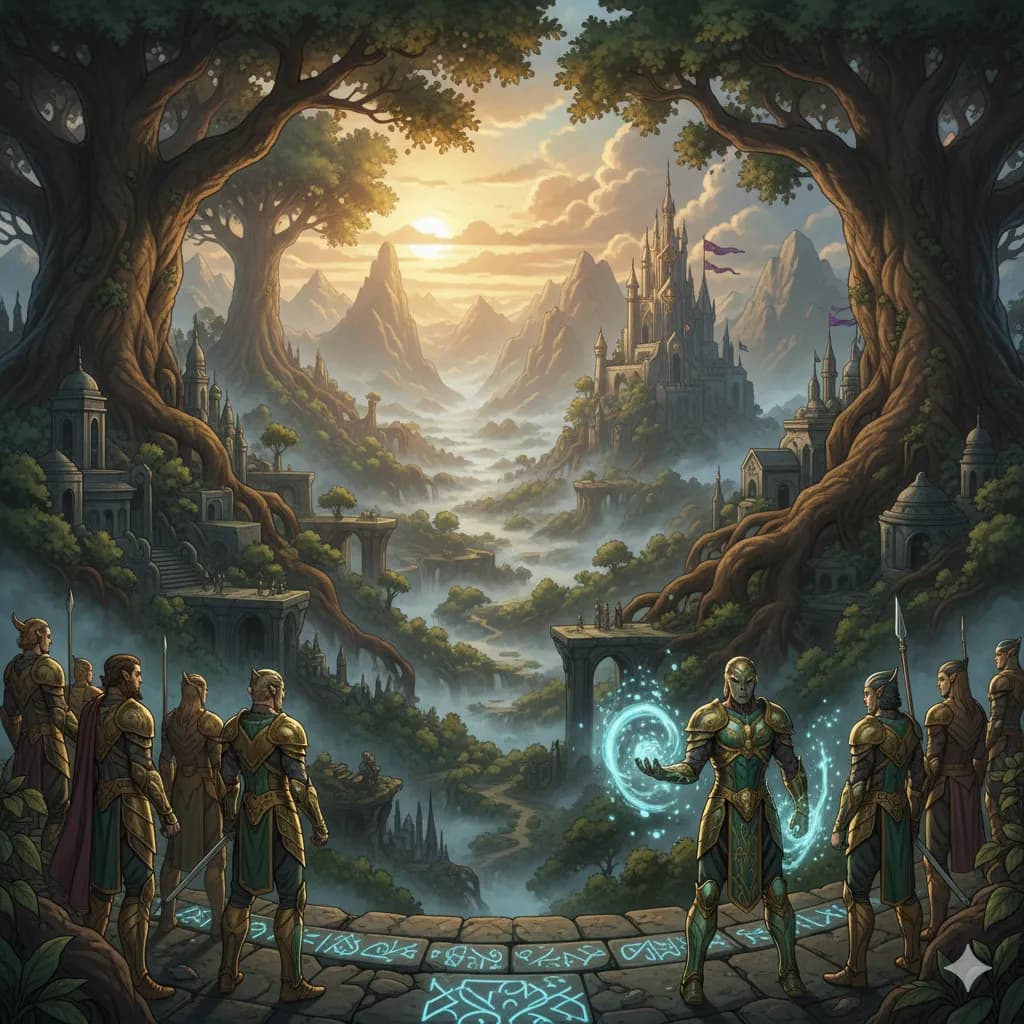
Fantasy
Epic landscapes, magical creatures, enchanted realms.
Try this style →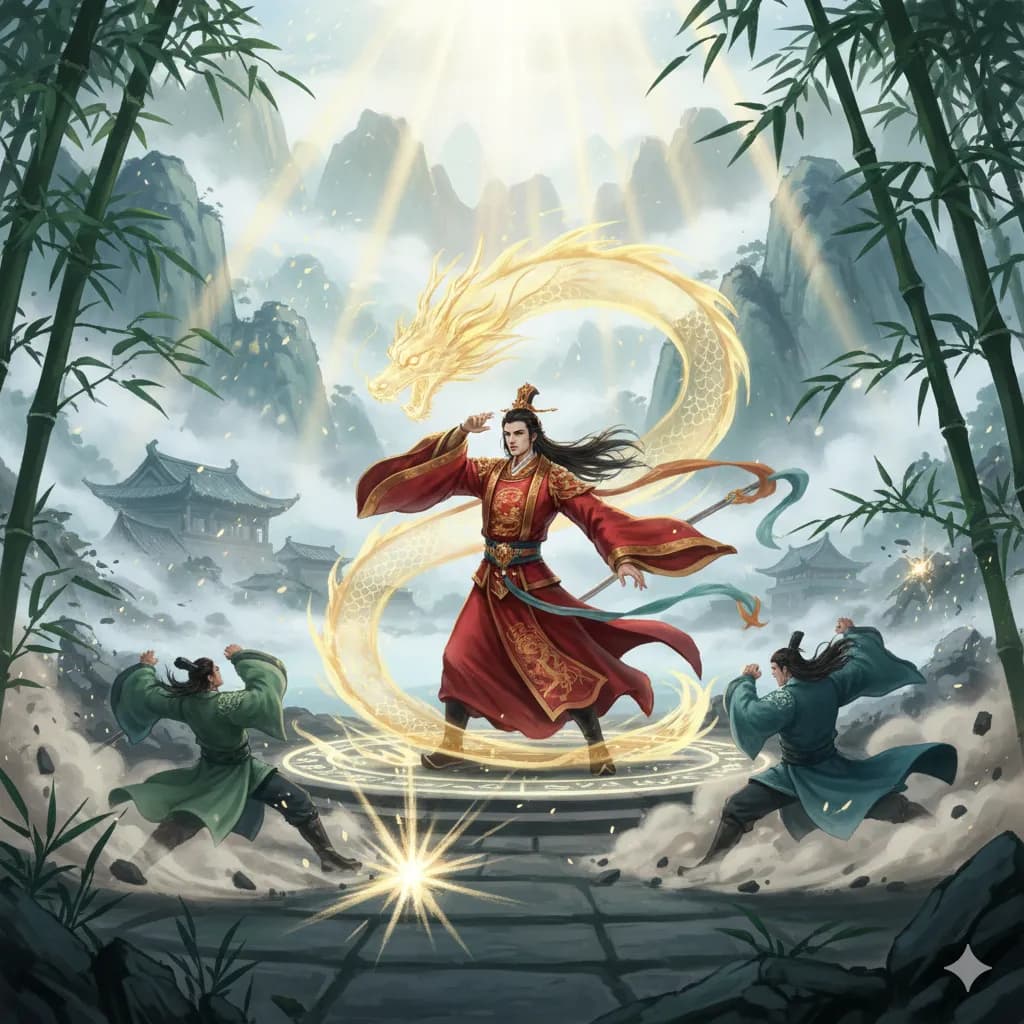
Manhua
Chinese comic style, rich colors, martial arts themes.
Try this style →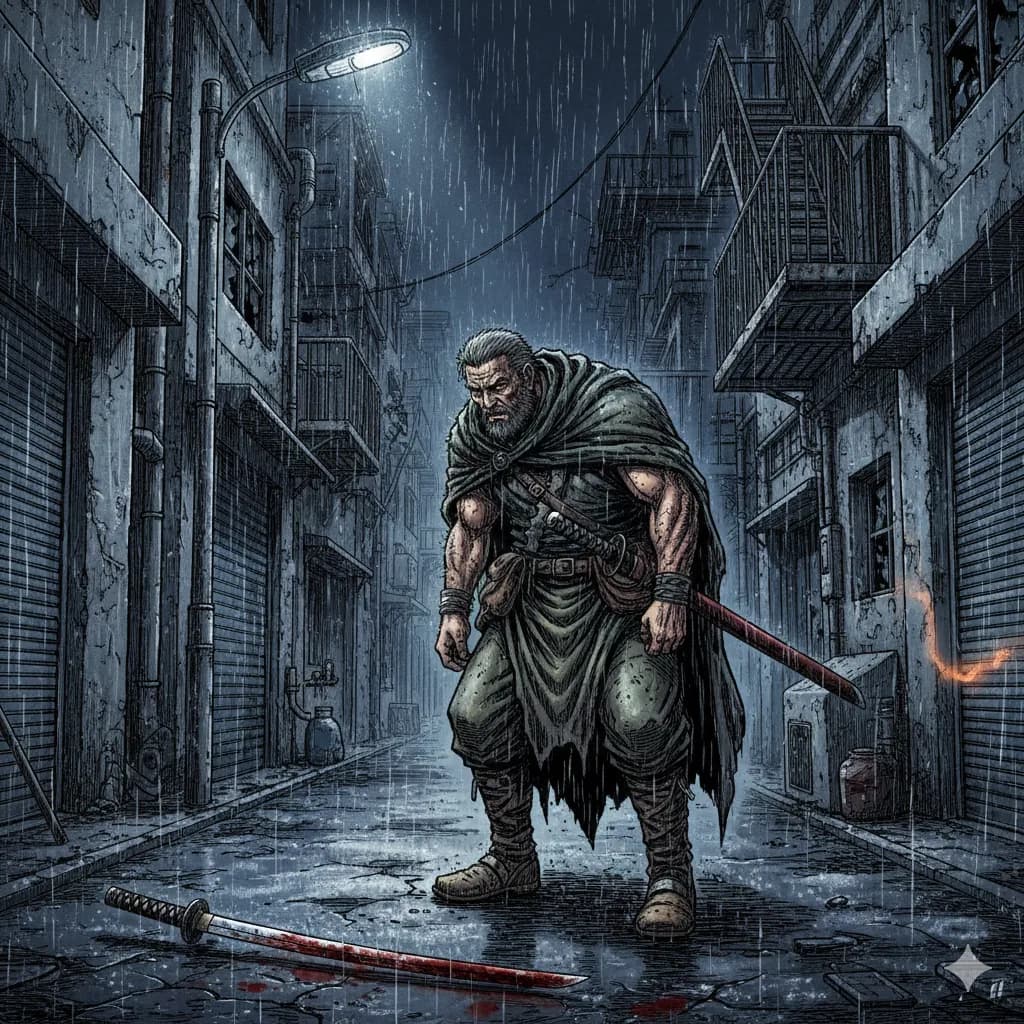
Seinen
Mature manga, detailed art, complex narratives.
Try this style →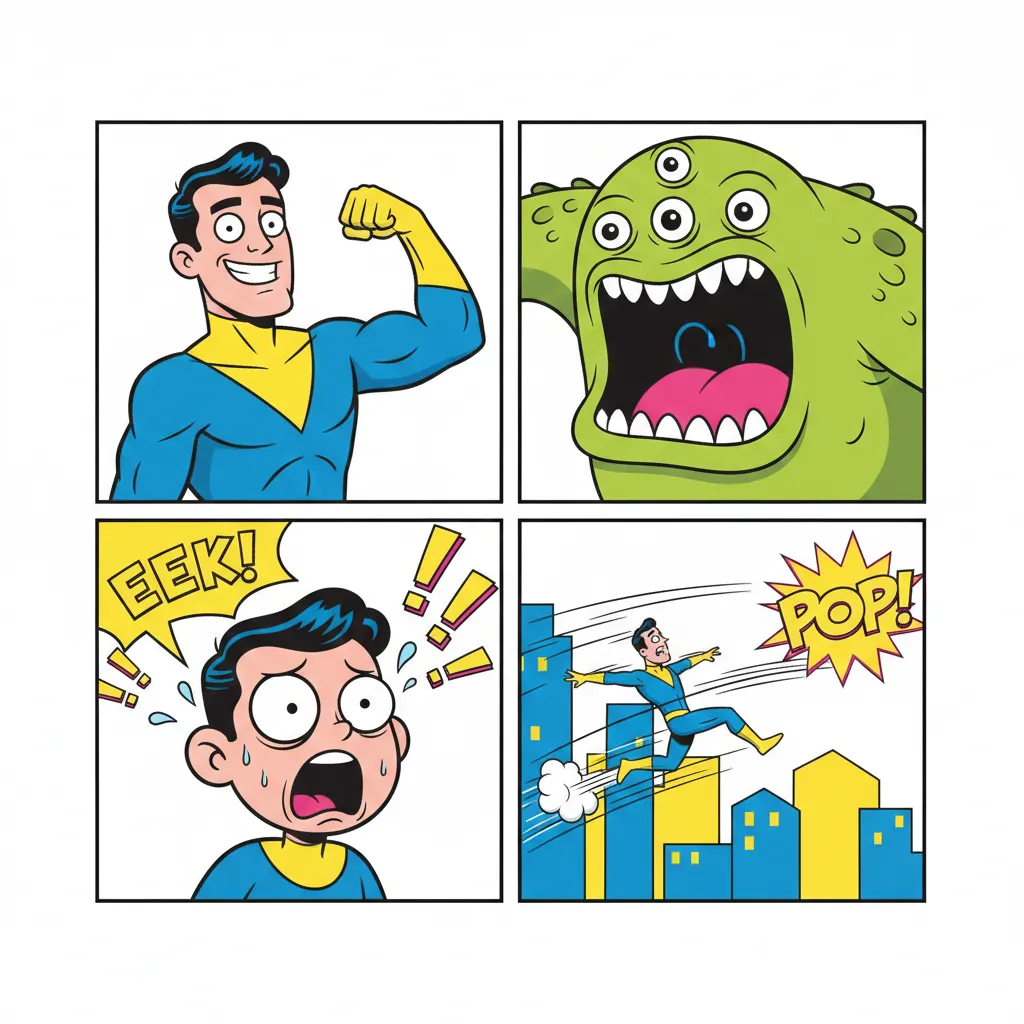
Comedy
Fun & expressive, bright colors, exaggerated features.
Try this style →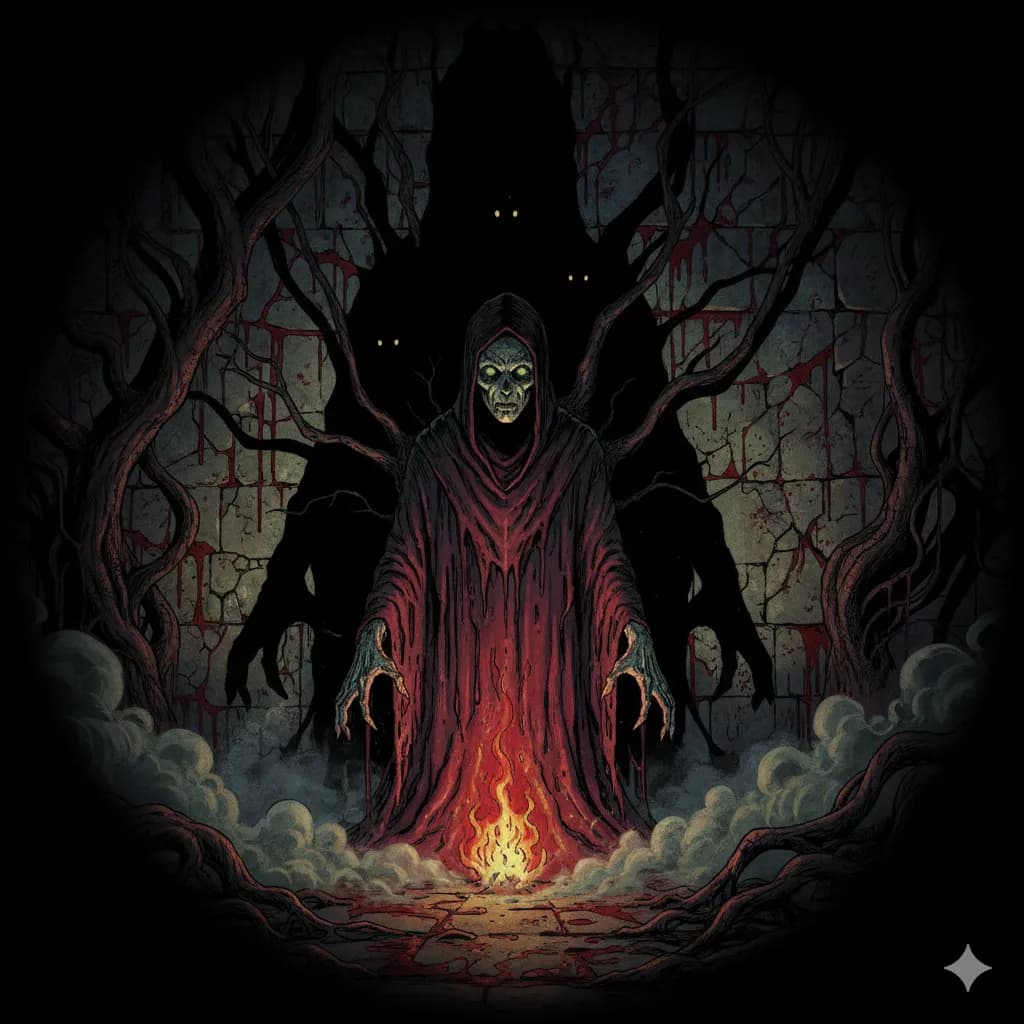
Horror
Dark shadows, eerie tones, spine-chilling imagery.
Try this style →Frequently Asked Questions
Can I turn a photo of myself into manga art?
What manga styles are available?
Is the output black and white or color?
How is this different from a photo filter app?
Can I make a manga about my original characters?
Does it support right-to-left reading order?
Can I generate a full manga book?
Is photo to manga free?
More Questions
What happens to the photo I upload?↓
Your uploaded photo is used to generate a character reference for your manga and is held in your account so you can reuse it in future comics. It is not sold, not shared with third parties for marketing, and not used to train external models. You can delete it from your account at any time. If you'd rather not upload a photo at all, the text-description path works — you describe your character ("tall woman with red hair, leather jacket") and the AI generates a consistent character from the description.
Can I make myself look like a named anime character (Naruto, Goku, Sailor Moon, etc.)?↓
Technically the prompt will often produce something resembling the request. Legally, this is the risk surface the entire AI image category is wrestling with — Disney and Universal v. Midjourney (case 2:25-cv-05275, C.D. Cal., filed June 2025, in active discovery as of June 2026) tracks exactly this kind of reproduction of named intellectual property. Anime IP is not named in the complaint, but the principle generalizes. Practical advice for any commercial or public use: prompt original characters that take inspiration from a tradition (e.g., "shōnen-style hero with spiky white hair, scarred eyebrow") rather than naming the IP directly. The risk is in the prompt, not the tool.
Related reading
- → Best AI Comic Generators 2026 — 10 tools ranked with scores and methodology.
- → AI Comic Generator — the broader category overview.
- → AI character consistency — why faces stay the same in some tools and drift in others.
- → Best AI manga generator for Japanese output — for native JP output.
- → AI Manga Generator (2026) — Niji 7, NovelAI V4.5, sub-style fit, and where you can actually publish AI manga.
- → Photo to Comic Converter — sister page for non-manga comic styles, with the same filter-vs-character disambiguation.
- → Midjourney for Comics in 2026 — V8.1 and Niji 7 honest take, cost-of-stack vs dedicated tools.
Last reviewed: June 18, 2026. Primary citations: Niji 7 launch announcement (nijijourney.com/blog/niji-7, January 9, 2026); Midjourney V8.1 release notes (updates.midjourney.com, June 11, 2026); Disney + Universal v. Midjourney, 2:25-cv-05275 (C.D. Cal., filed June 11, 2025, in active discovery as of June 2026); U.S. Copyright Office, “Copyright and Artificial Intelligence, Part 2: Copyrightability” (January 29, 2025); WEBTOON unified international CANVAS announcement (about.webtoon.com/press-release/238, March 26, 2026).
Create your manga character
Describe your look and AI draws it in authentic manga style — no filters, just real manga art.
Start Your MangaFree to start — 6 manga art styles available